
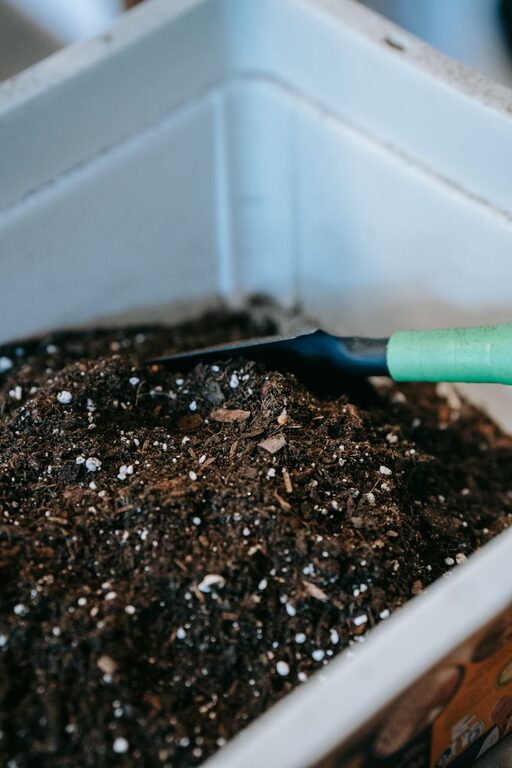
Composting at home is a fantastic way to reduce waste, enrich your garden soil, and contribute to a healthier environment. If you’re new to composting, it might seem a little overwhelming at first, but with a few easy tips and some patience, you can create your own nutrient-rich compost and enjoy the benefits it brings to your plants. This guide provides beginner-friendly advice to help you get started with composting right away.
What Is Composting?
Composting is the natural process of breaking down organic materials like food scraps and yard waste into a dark, crumbly substance called compost. This compost acts as a powerful fertilizer that improves soil structure, retains moisture, and provides essential nutrients for plants.
Why Compost at Home?
– Reduces landfill waste: Diverts kitchen scraps and yard waste from the trash.
– Improves soil health: Adds organic matter that supports plant growth.
– Saves money: Reduces the need for commercial fertilizers.
– Supports the environment: Reduces greenhouse gas emissions from waste.
Getting Started: Choosing a Compost Bin
There are several options for compost bins, depending on your space and needs:
– Compost Tumblers: Easy to turn and speed up decomposition.
– Stationary Bins: Simple containers that can be homemade or purchased.
– Open Piles: Just create a compost heap in your yard, great if you have space.
Choose a bin with good ventilation and drainage. For small spaces or balconies, consider a compact composting container or worm bin.
What Can You Compost?
Understanding what materials to compost is key to success.
Greens (Nitrogen-rich materials)
– Fruit and vegetable scraps
– Coffee grounds and filters
– Tea bags (avoid plastic ones)
– Fresh grass clippings
– Plant trimmings
Browns (Carbon-rich materials)
– Dry leaves
– Straw or hay
– Shredded newspaper or cardboard
– Wood chips or sawdust (untreated only)
– Eggshells (crushed)
Avoid composting
– Meat, fish, dairy products
– Oily or greasy foods
– Pet waste
– Diseased plants
– Weeds with seeds
How to Start Composting: Step-by-Step
- **Set up your compost bin:** Place it outdoors in a dry, shaded spot.
- **Add layers:** Start with a mix of browns and greens, aiming for roughly 3 parts browns to 1 part greens.
- **Moisten the pile:** Keep the compost damp like a wrung-out sponge, but not soaking wet.
- **Turn regularly:** Use a pitchfork or garden tool to aerate the pile every 1-2 weeks.
- **Monitor the temperature:** A healthy compost pile feels warm in the center.
- **Be patient:** Composting can take anywhere from a few weeks to several months.
Troubleshooting Common Issues
– Pile smells bad: Too much green material or moisture. Add more browns and turn the pile.
– Pile is dry and slow to decompose: Add water and some green materials.
– Pile attracts pests: Avoid adding meat or oily foods; cover food scraps with browns.
– Pile won’t heat up: Add nitrogen-rich materials and turn the pile more often.
Tips for Faster Composting
– Chop or shred materials into smaller pieces.
– Maintain a balanced mix of greens and browns.
– Keep the pile moist but not soaked.
– Turn or aerate the pile regularly.
– Use a compost activator or add garden soil to introduce beneficial microbes.
Using Your Finished Compost
You’ll know your compost is ready when it’s dark, crumbly, and smells earthy. Use it to:
– Enrich garden beds and vegetable patches.
– Top dress your lawn.
– Mix with potting soil for container plants.
– Mulch around trees and shrubs.
Final Thoughts
Starting to compost at home is a rewarding way to reduce waste and support your garden. With just a little effort and care, you can produce your own rich, natural fertilizer. Remember, composting is a learning process—don’t worry about being perfect. Every small step helps the environment and your garden flourish.
Happy composting!