
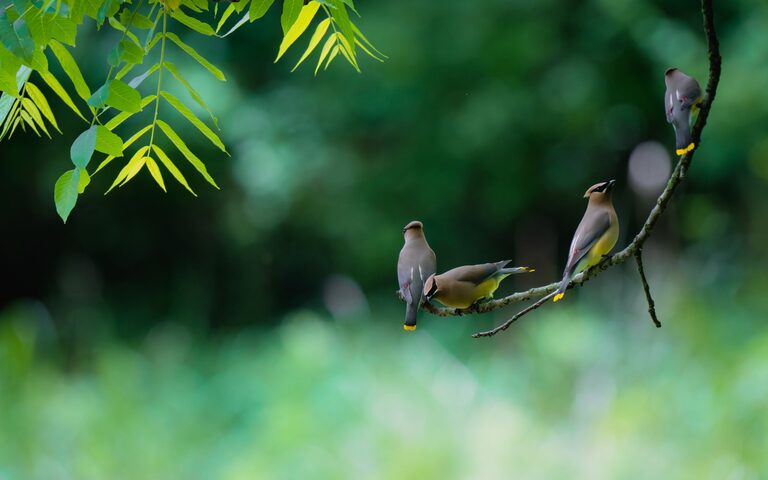
Birdwatching is a wonderful way to connect with nature, relax, and learn about the wildlife right outside your door. If you’re new to birdwatching, your backyard can be the perfect place to start. With a few simple steps, you can attract a variety of birds and enjoy hours of peaceful observation.
In this guide, we’ll cover beginner-friendly tips to help you get started with backyard birdwatching, including how to identify birds, what equipment you might need, and ways to make your yard more inviting for feathered visitors.
Why Start Birdwatching in Your Backyard?
Birdwatching doesn’t require traveling to remote places or expensive gear. Starting in your backyard means you can enjoy nature with minimal effort and cost. It also helps build a connection to the local environment and can be a relaxing way to spend time outdoors.
Essential Equipment for Beginner Birdwatchers
You don’t need much to begin birdwatching, but a few basic items can enhance your experience:
– Binoculars: A good pair of binoculars helps you see birds clearly from a distance. Look for lightweight binoculars with a magnification between 6x and 8x.
– Field Guide or Bird Identification App: A field guide book or app will help you identify different bird species. Apps often include photos, calls, and tips.
– Notebook or Bird Journal: Keeping notes or sketches of your sightings is a fun way to track what you see and learn over time.
– Camera (Optional): A camera with zoom can capture images of birds for further study or sharing.
Creating a Bird-Friendly Backyard
Attracting birds to your yard is one of the most rewarding parts of backyard birdwatching. Here are ways to make your outdoor space inviting:
Provide Food Sources
Birds are attracted to yards where they can find food. Different birds prefer different foods, so offering a variety can attract a wider range of species.
– Seed Feeders: Black oil sunflower seeds attract many common backyard birds such as finches, chickadees, and cardinals.
– Suet Feeders: Suet cakes are excellent for insect-eating birds like woodpeckers and nuthatches.
– Nectar Feeders: Hummingbirds love nectar feeders filled with sugar water (without red dye).
– Fruit: Some birds enjoy fresh or dried fruit, such as oranges or raisins.
Offer Water
Birds need water for drinking and bathing. A birdbath or shallow water dish can attract birds.
– Keep the water clean and fresh by changing it regularly.
– Place the birdbath near bushes or trees to provide shelter nearby.
Provide Shelter and Nesting Spots
Birds seek safe places for resting and raising young.
– Plant native trees and shrubs to offer natural cover.
– Install birdhouses that fit the local bird species.
– Leave leaf litter or brush piles to attract insects and provide shelter.
Maintain a Safe Environment
Keep your yard safe by minimizing hazards:
– Place feeders away from windows to reduce collision risks.
– Avoid using pesticides that can harm birds or their food sources.
– Keep pets, especially cats, indoors or supervised.
Tips for Observing Birds Effectively
Watching birds closely takes some patience and practice. Here are tips to improve your observation skills:
– Be Quiet and Still: Birds are sensitive to noise and movement, so sit quietly to avoid scaring them away.
– Watch for Movement: Look for flashes of color or movement in trees and shrubs.
– Use Your Binoculars Properly: Hold binoculars steady and focus slowly to get a clear view.
– Learn Bird Calls: Listening to bird songs and calls can help locate and identify species.
– Observe Behavior: Notice feeding habits, flight patterns, and interactions to learn more about each bird.
Common Backyard Birds for Beginners
Depending on your location, you may see some of these common backyard birds:
– American Robin
– Northern Cardinal
– Blue Jay
– Mourning Dove
– House Finch
– Black-capped Chickadee
– Downy Woodpecker
– Goldfinch
Using a field guide or app, you can learn how to recognize their colors, shapes, and calls.
Recording Your Birdwatching Experiences
Keeping track of your sightings boosts your enjoyment and learning.
– Note the species, number of birds, date, time, and weather.
– Sketch the birds or take photos.
– Compare your records over time to see how seasons and feeder changes affect your bird visitors.
Joining a Community
Birdwatching is often more fun when shared. Consider:
– Joining a local birdwatching club or nature group.
– Participating in citizen science projects like the Audubon Christmas Bird Count.
– Sharing photos and stories on social media or birdwatching forums.
Final Thoughts
Starting backyard birdwatching is easy and rewarding. By creating a welcoming environment and practicing observation skills, you can enjoy nature’s beauty right at home. Remember to be patient—birds may take time to discover your feeders and water sources. Once they do, a world of feathered friends awaits!
Happy birdwatching!