
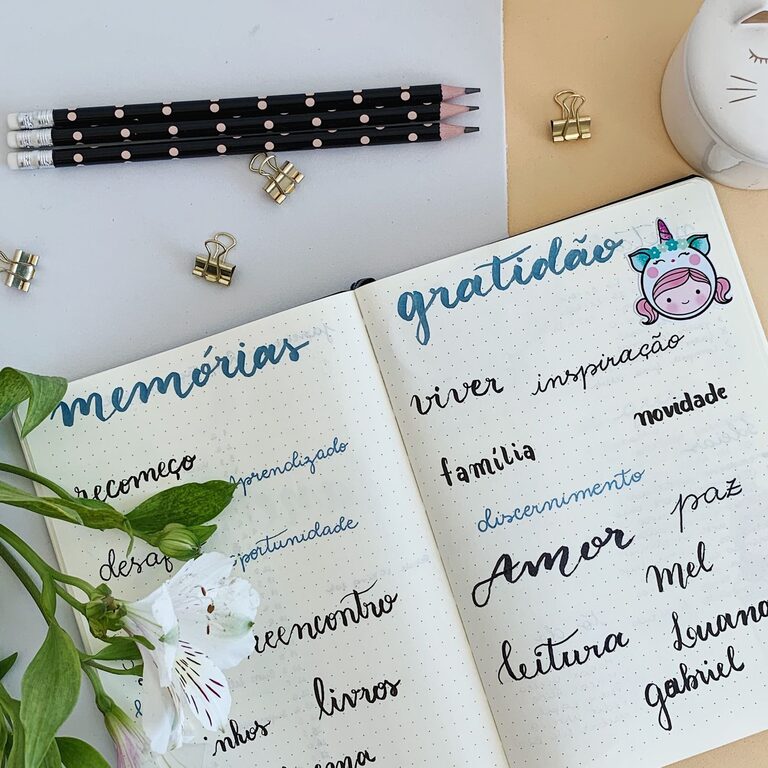
Starting a gratitude journal is a powerful way to cultivate positivity and mindfulness in your daily life. By regularly reflecting on things you appreciate, you can enhance your mood, reduce stress, and develop a more optimistic outlook. If you’re new to gratitude journaling, this guide will walk you through the simple steps to get started and make it a rewarding habit.
What Is a Gratitude Journal?
A gratitude journal is a personal notebook or digital space where you write down things you are thankful for. These can be big or small—anything from a supportive friend to a beautiful sunset. The key is to focus on positive aspects of your life, which helps shift your mind away from negativity and promotes emotional well-being.
Benefits of Keeping a Gratitude Journal
Before diving into the how-to, it’s helpful to understand why this practice is so valuable:
– Improves Mental Health: Regularly noting things you’re grateful for can lower stress and reduce symptoms of anxiety and depression.
– Enhances Sleep Quality: Reflecting on positive moments before bed can help calm your mind and improve sleep.
– Boosts Self-Esteem: Gratitude encourages appreciation for your achievements and strengths.
– Strengthens Relationships: Recognizing others’ kindness fosters better connections and empathy.
How to Start Your Gratitude Journal
Choose Your Journal
Decide whether you want a physical notebook or a digital app for your journal. Some people enjoy the tactile experience of writing by hand, which can make the practice feel more personal. Others prefer digital options for convenience and accessibility on the go. Popular apps like Evernote, Day One, or simply using a note-taking app on your phone can work well.
Set Aside Time Daily
Consistency is key to building a habit. Set aside a specific time each day to write in your journal—morning or evening works best for many people. Even 5 minutes is enough to make a positive impact. Consider pairing journaling with an existing routine, like after your morning coffee or before bedtime.
Start Small and Be Specific
If you’re new to gratitude journaling, start by listing three to five things you’re thankful for each day. Focus on specific experiences, people, or details rather than vague statements. For example, instead of writing “I’m grateful for my family,” you might write “I’m grateful for the phone call with my sister today.”
Use Prompts to Inspire You
Sometimes it helps to have prompts to get started, especially on days when gratitude feels harder to find. Here are some ideas:
– What made you smile today?
– Name one thing in nature you appreciate.
– Who is someone that helped you recently?
– What is a personal strength you’re proud of?
– Describe a place where you feel safe and happy.
Reflect on Challenges Too
Gratitude journaling doesn’t mean ignoring difficulties. You can acknowledge challenges while still finding things to appreciate. For example, “Even though today was stressful at work, I’m grateful for my coworker who offered support.”
Experiment with Different Formats
Your journal doesn’t have to be a list. You can write short paragraphs, draw pictures, or even include photographs. Try what feels most enjoyable and meaningful to you.
Tips to Keep Your Gratitude Journal Going
– Be Honest: Write what truly resonates with you, not what you think you should be grateful for.
– Avoid Repetition: Try to find new things each day to keep your practice fresh and engaging.
– Make It Enjoyable: Use colorful pens, stickers, or special paper to make journaling a fun experience.
– Review Regularly: Look back through your entries weekly or monthly to see how your gratitude has grown.
– Share Positivity: Consider sharing a gratitude thought with a friend or family member to spread the good feelings.
What to Do If You Miss a Day
Don’t worry if you forget or miss a day. Simply return to your journaling as soon as you can without judgment. The goal is progress, not perfection.
Final Thoughts
Starting a gratitude journal is a simple but impactful way to improve your mental and emotional well-being. By dedicating a few minutes each day to reflect on what you appreciate, you can nurture a more positive mindset and enjoy the little things that make life meaningful. Choose a format that suits you, develop a consistent routine, and watch your gratitude grow over time.
Give it a try today—your future self will thank you!