
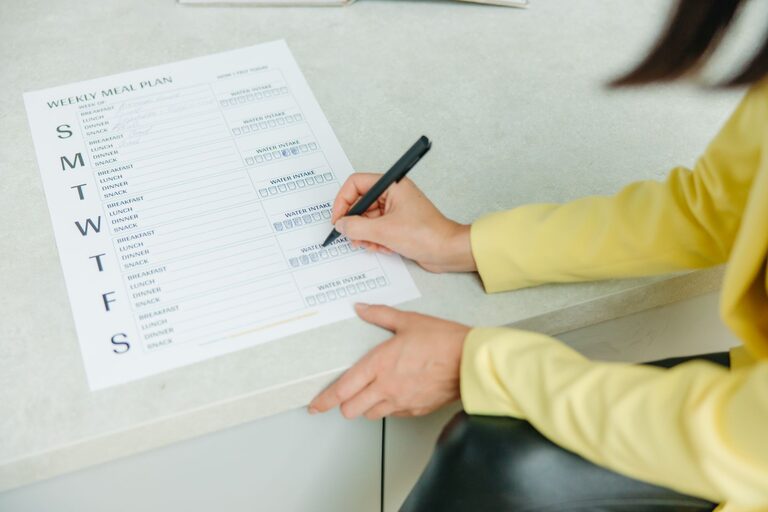
Creating a weekly meal plan might sound like a big task, but with a simple approach, it can become a helpful routine that saves you time, money, and stress. Whether you’re cooking for yourself, a family, or a group, planning your meals in advance helps to organize shopping, reduce food waste, and ensure balanced nutrition. This guide will walk you through the basic steps of creating a weekly meal plan that fits your lifestyle.
Why Plan Your Meals Weekly?
Meal planning offers several benefits:
– Saves time: Knowing what to cook each day means fewer trips to the grocery store and less time deciding what to eat.
– Reduces stress: With a plan in place, mealtime becomes smoother and less rushed.
– Supports healthier eating: Planning ahead helps you include a variety of nutritious foods.
– Cuts down food waste: Buying only what you need reduces leftovers and spoiled food.
– Saves money: Prevent impulse buys and take better advantage of sales.
Step 1: Assess Your Weekly Schedule
Before you write down any meals, consider your upcoming week:
– How many dinners will you cook at home?
– Are there any social meals, work lunches, or events?
– How many people are you feeding?
– Do you have busy days when quick meals are necessary?
Knowing your schedule helps you choose meals that fit your time and energy levels.
Step 2: Choose Your Meals
Start simple by selecting meals you and your family enjoy. To balance convenience and variety, try including:
– 3-4 dinner options: Include a mix of protein sources like chicken, fish, beans, or tofu.
– 2-3 lunch ideas: These can be leftovers, salads, or easy sandwiches.
– Breakfast basics: Plan for quick options like oatmeal, yogurt, or smoothies.
Tips for Meal Selection
– Pick recipes with overlapping ingredients to simplify shopping.
– Use leftovers creatively to minimize cooking.
– Consider batch cooking or slow cooker meals on busy days.
– Make sure to include vegetables and whole grains for balanced nutrition.
Step 3: Create Your Meal Plan Template
You can use a notebook, a printable meal planner, or a digital tool like a spreadsheet or meal planning app. Draw a simple grid with days of the week across the top and meal times down the side (breakfast, lunch, dinner).
Fill in your planned meals for each day. Don’t forget to note snacks or treats if you like.
Step 4: Make a Grocery List
Once your meals are planned, write down the ingredients you need. Organize your list into categories such as produce, dairy, proteins, pantry items, and so on. This makes shopping quicker and easier.
Helpful Shopping Tips
– Check your pantry and refrigerator to avoid buying duplicates.
– Plan to buy fresh produce in quantities you’ll use during the week.
– Consider frozen or canned alternatives for longer-lasting options.
– Stick to your list to avoid impulse purchases.
Step 5: Prep Ahead When Possible
Meal prep can save you a lot of time during the week. Here are some simple strategies:
– Wash and chop vegetables as soon as you get home from the store.
– Cook grains like rice or quinoa in advance.
– Portion snacks into containers so they’re easy to grab.
– Prepare sauces or dressings ahead of time.
Step 6: Stay Flexible
Even the best plans might need adjustments. If you feel like changing a meal or eating out, it’s okay. Having a plan doesn’t mean you have to follow it rigidly—use it as a helpful guide.
Sample Simple Weekly Meal Plan
| Day | Breakfast | Lunch | Dinner |
|———–|——————–|———————|———————-|
| Monday | Oatmeal with fruit | Turkey sandwich | Grilled chicken & veggies |
| Tuesday | Yogurt & granola | Leftover chicken salad | Spaghetti with marinara |
| Wednesday | Smoothie | Quinoa salad | Stir-fried tofu & rice |
| Thursday | Scrambled eggs | Veggie wrap | Slow cooker chili |
| Friday | Toast with peanut butter | Soup & salad | Homemade pizza |
| Saturday | Pancakes | Leftover chili | Baked salmon & potatoes |
| Sunday | Bagel with cream cheese | Chicken Caesar salad | Roast chicken & vegetables |
Final Thoughts
Starting a weekly meal plan doesn’t have to be complicated. Begin with a few meals, keep it flexible, and adjust as you find what works best for you. Over time, you’ll develop a routine that fits your tastes and schedule, making mealtime easier and more enjoyable.
Give it a try this week — your future self will thank you!