
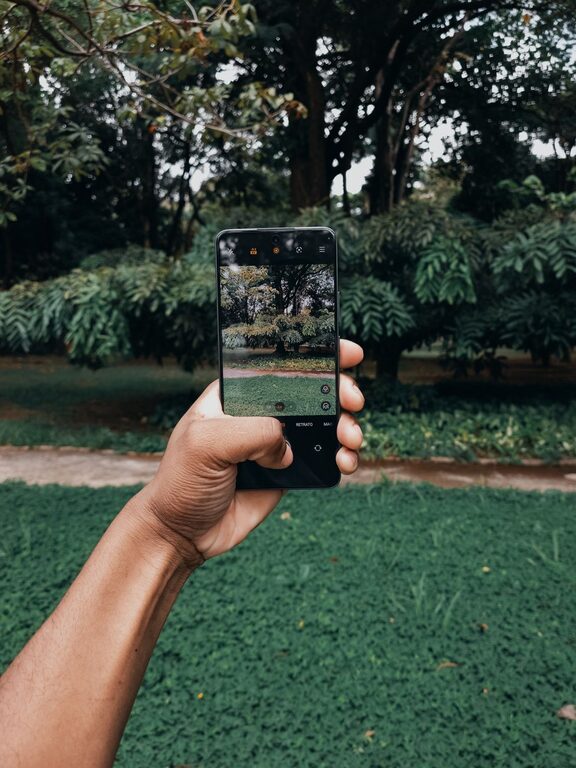
Taking great photos with your phone is easier than ever thanks to advances in smartphone camera technology. Whether you want to capture beautiful landscapes, memorable moments with friends, or creative shots for social media, a few simple tips can help you take your phone photography to the next level. This guide covers beginner-friendly advice to improve your photos without needing expensive equipment or professional training.
Understand Your Phone Camera Basics
Before diving into advanced techniques, it helps to get familiar with your phone’s camera features:
– Explore camera modes: Most phones offer several shooting modes such as portrait, panorama, night, and manual. Experiment with these to see what works best for different scenarios.
– Use gridlines: Turning on the gridlines helps with composition, making it easier to apply the rule of thirds to frame your shot.
– Tap to focus: Tap on your screen where you want the camera to focus. This ensures your subject is sharp and properly exposed.
– Adjust exposure: After focusing, you can usually slide your finger up or down to brighten or darken the image before capturing it.
Composition Tips for Better Photos
Good composition can dramatically improve your photos. Here are some beginner-friendly principles:
Use the Rule of Thirds
Imagine your frame divided into nine equal parts by two vertical and two horizontal lines. Place important elements along these lines or at their intersections rather than dead center. This creates a more balanced and interesting photo.
Look for Leading Lines
Leading lines are natural lines in your scene that draw the viewer’s eye to the main subject. Roads, fences, or rows of trees can all serve as leading lines.
Frame Your Subject
Use elements around your subject to create a “frame” within the photo. This can be a doorway, branches, or shadows, focusing attention on your subject and adding depth.
Keep It Simple
Avoid cluttered backgrounds that distract from your subject. A clean, simple background will make your photo stronger.
Lighting: The Key to Great Photos
Lighting makes a huge difference in phone photography. Here’s how to work with it:
– Shoot in natural light: Whenever possible, use daylight. Early morning and late afternoon light (golden hour) produces warm tones and soft shadows that are flattering.
– Avoid harsh midday sun: Direct sunlight can create harsh shadows and high contrast. If you must shoot in bright sun, look for shaded areas or use the sun behind your subject.
– Use the flashlight wisely: Phone flash can be harsh and unflattering. Instead, try to find additional light sources or reflect light with a white surface.
– Experiment with backlighting: Positioning your subject with the light source behind them can create interesting silhouettes or glowing edges.
Steady Your Phone
Blurry photos often come from camera shake, especially in low light. Here’s how to keep your phone steady:
– Hold with both hands: Use a firm grip with both hands to minimize movement.
– Lean on stable surfaces: Rest your elbows on a table or lean against a wall to steady yourself.
– Use a tripod or stand: Affordable phone tripods can help, especially for night shots or long exposures.
– Use your phone’s timer: Set a 2- or 3-second timer to avoid shake caused by tapping the shutter button.
Use Editing Apps to Enhance Your Photos
Editing is a great way to polish your photos after shooting. Many free apps are beginner-friendly:
– Adjust brightness and contrast: These basic adjustments can make your photos pop.
– Crop and straighten: Improve composition and remove distractions by cropping or straightening horizon lines.
– Enhance colors: Slightly increasing saturation or vibrance can make your images more lively without looking unnatural.
– Use filters sparingly: Filters can add mood but avoid overusing them to keep photos looking natural.
Popular editing apps include Snapseed, VSCO, Adobe Lightroom Mobile, and the default photo editor on your phone.
Practice Regularly and Try New Perspectives
The best way to improve is consistent practice. Challenge yourself by:
– Shooting daily or weekly
– Trying different subjects such as landscapes, portraits, food, or street scenes
– Experimenting with angles: shoot from low down, up high, or unusual positions
– Reviewing your photos critically and learning from mistakes
Summary
Taking better photos with your phone starts with understanding your camera’s features and paying attention to composition, lighting, and stability. Editing your photos can add a professional touch, and regular practice will steadily improve your skills. With these beginner tips, you’ll be well on your way to capturing beautiful moments easily and creatively.
Happy shooting!